Pest Control: Efficient Tactics to Secure Your Residence and Establishment
Pest Control: Results-Oriented Systems to Preserve Your Property and Establishment
Opening to Pest Control
Pest Control relates to the control or management of life forms identified as pests – creatures that harmfully modify human undertakings or habitats. In New Jersey, where multiple biological communities connect with urban-adjacent and built-up development, efficient Pest Control is not merely a luxury but a necessity for upholding wholesome home and working conditions. From the far-reaching residential areas of Monmouth County to the tight-knit localities of Matawan, pest outbreaks can plague any individual, no matter of how sanitary or adequately preserved their house may be.
The importance of applying productive Pest Control approaches cannot be exaggerated. For house owners, pests can deteriorate architectural durability, spoil food supplies, and establish noteworthy health hazards. Establishments encounter these same hurdles, with the increased anxiety of standing damage and prospective forfeiture of customers if invasions are uncovered. Typical pests in New Jersey contain rodents like rats and mice, numerous bugs such as ants, cockroaches, and bed bugs, and the particularly damaging termites that can inaudibly impair a building's underpinning.
The Rationale Pest Control Is Significant
Health Hazards of Pest Control Chemicals
Several pests carry and spread ailments that can influence people and pets. Small mammals are proven transmitters of hantavirus, salmonella, and leptospirosis. Cockroaches can cause asthma episodes and allergic reactions, chiefly in kids. Ticks, plentiful in New Jersey's wooded spots, are famous for transmitting Lyme disease, while mosquitoes can pass on West Nile virus and Eastern Equine Encephalitis. Specialized Pest Control assists alleviate these health perils by removing the basis of these likely disease vectors.
Home Harm in Pest Control
The framework impairment induced by pests can be substantial and costly. Termites by themselves trigger over $5 billion in structure injury each year across the United States, with New Jersey homes being specifically defenseless due to the state's atmosphere. Vermin can bite through electrical cables, causing fire dangers, while their persistent biting can impair weatherproofing, pipes, and wooden basic components. Even relatively safe ants can undermine wooden structures if permitted unprocessed, specifically carpenter ants which are usual in Monmouth County.
Budgetary Results of Pest Control Services
Avoiding pest problems can produce substantial economic effects. What could commence as a minor problem requiring elementary treatment can speedily expand into a large complication calling for wide-ranging correction. For enterprises, mainly those in the food industry or tourism businesses, pest problems can result in flawed health assessments, brief closures, and enduring harm to status and customer reliance. Investing in regular Pest Control is not solely about instantaneous contentment—it's a sustained economic security.
Pest Control: Frequent Home and Business Pests
Rats and Mice (Rats and Mice)
When it relates to discovering rodent issues in your New Jersey home, attentiveness is fundamental. You could observe feces near food sources, in containers, or below sinks. Nibble marks on food packaging, wood, and electrical cords are indicative marks of their occupancy. At night, you may perceive abrasive disturbances in dividers, roofs, or beneath floors as these night-active creatures turn animated. If you identify habitats produced from tattered stationery, cloth, or desiccated plant stuff, that's a plain proof rodents have built themselves settled. Oily rub marks against baseboards and partitions emerge as rodents adopt the matching paths repeatedly, while your pets may exhibit strange demeanor such as yapping or scratching at places beneath instruments or fixtures where rodents hide.
Vermin in New Jersey homes and organizations create several menaces surpassing mere annoyance. They can spoil food and making planes with microorganisms residing in their urine and droppings. Their incessant necessity to munch can harm goods, particularly electrical lines, which produces fire hazards. In Matawan and neighboring regions, the Norway rat and house mouse are notably troublesome, blooming in both built-up and peripheral regions. Powerful Pest Control measures are critical to manage these detrimental trespassers.
Invertebrates (Ants, Cockroaches, Bed Bugs)
Insect outbreaks display themselves in multiple ways depending on the species. Ant predicaments get noticeable when you spot obvious ant routes approaching food stocks, or when you find diminutive stacks of dirt or wood particles produced by carpenter ants. Cockroach incursions often show themselves through dark droppings reminiscent of coffee grounds or black pepper, a unique fusty smell that penetrates infested zones, and the appearance of egg shells in camouflaged corners. Bed bug difficulties appear as rust-colored speckles on mattresses and furnishings, shed skins near resting areas, microscopic blood marks on sheets, and itchy red lumps on skin generally arranged in a string or collection.
Creepy crawlies typify the most assorted type of pests in New Jersey. Cockroaches can initiate asthma and intolerances while disseminating countless germs. Bed bugs, while not disease spreaders, cause marked unease, sleep interruption, and mental torment. Certain ant species, like carpenter ants usual in Monmouth County's sylvan spots, can cause structural impairment comparable to termites over time. Specialized Pest Control providers can detect exact insect species and apply focused management approaches that handle the unique behaviors and weaknesses of each pest.
Termites
Identifying termite behavior early calls for comprehending the understated symptoms of their presence. You may see cast-off wings near casements and entrances after swarmers have located a mate and set up a new colony. Mud tubes on external sides, wooden beams, or in crawl voids serve as guarded highways for these harmful insects. Wood that reverberates empty when struck reveals termites have been eating from internally. Access points and apertures that unexpectedly bond may indicate deforming from termite injury, while fissured or inflating paint resembling water impairment often conceals termite movement beneath. Detecting frass—termite feces looking like diminutive wood-colored bits—provides another corroboration of their undesirable presence.
Termites create perhaps the most noteworthy skeletal peril throughout all standard pests. In New Jersey, the Eastern subterranean termite is frequent and particularly damaging. These insects can stay unsensed for years while causing vast damage to wooden constructional sections. Homes in Matawan and throughout all of Monmouth County, specifically older homes, are susceptible to termite outbreaks. The average expenditure of term pest control.
Pest Control Protection Aspects
Proper Usage of Products and Products in Pest Control
As chemicals grow necessary in your pest control strategy, emphasizing safety requires focus to several vital methods that protect people, animals, and the environment. Continuously read and comply with product guidelines exactly, as these legal instructions demonstrate thorough examination and regulatory evaluation created to limit risks. Use pest control service New Jersey the minimum successful volume of product to attain control while reducing unnecessary product incorporation into your residential area. Use substances only in zones specified on the label, preventing unauthorized uses that may create unexpected risks or reduce performance. Use correct protective equipment as indicated by product manufacturers to prevent personal contact during treatment. Maintain products in their factory containers with labels undamaged to preserve access to safety details and stop confusion. Document comprehensive logs of all applications, noting substances applied, concentration ratios, locations applied to, and dates of treatment for future reference. Enable proper setting and airflow before reoccupying serviced locations, specifically vital in New Jersey's conditions where dampness can impact drying times. Evaluate reduced-risk alternatives when efficient, as progress in pest elimination have developed many safer solutions that maintain efficacy while minimizing likely risks.
Protecting Pets and Young ones During Pest Control Services
Specific precautions become vital when applying pest control measures in households with at-risk family members. Relocate animals throughout treatment and until areas are set to avoid direct contact with damp substances or vapors that could cause bad reactions. Protect or move pet meals, drinking dishes, and toys before application to prevent pollution that could lead to unintentional eating. Put children's items apart from service zones, specifically objects that small kids might insert in their mouths. Wash and disinfect meal making surfaces after service, even if they were not specifically applied to, to eliminate any residues that might have collected during application. Maintain kids away from treated spaces for the recommended period, increasing this period for mobile toddlers who have more direct interaction with floors and low surfaces. Consider animal-friendly and non-toxic to children substance alternatives when obtainable, as many recent chemicals aim at specific pest anatomy while decreasing animal harm. Most vitally, tell expert technicians about the occurrence of animals, young ones, or pregnant household individuals before they develop service strategies, allowing them to adjust approaches and chemical options appropriately.
Governmental Rules and Adherence with Pest Control
Pest control in New Jersey operates within a governmental framework created to protect community wellness and the environment while providing efficient pest control. The New Jersey Department of Environmental Protection manages pest management activities, necessitating professional pest management companies to satisfy particular requirements. Firms must use certified technicians who have passed official tests showing expertise in pest biology, application approaches, and protection standards. These businesses must preserve correct insurance protection protecting both their applicators and their patrons from possible damages or damage connected with pest management procedures. Tight guidelines regulate pesticide warehousing, transportation, and disposal to stop ecological pollution and illegal availability. Specialists must provide Safety Data Sheets upon demand, noting the features and risks of substances applied in treatments. Notice guidelines apply for some uses, specifically in multi-unit residences or business spaces with many inhabitants. Detailed treatment documentation must be preserved, establishing an review trail of pest elimination procedures. Also, only substances authorized for use in New Jersey may be legally applied, making certain that area environmental situations and habitats have been reviewed in the approval procedure. For commercial properties in Matawan and throughout Monmouth County, extra requirements may be relevant based on the industry, particularly for dining business, health, and childcare centers where pest control meets with further general health considerations.
Eco-Friendly Pest Control Choices
Integrated Pest Control (IPM) System
Integrated Pest Management represents the highest benchmark in contemporary pest control, focusing on extended protection through a mix of approaches that minimize ecological influence while optimizing efficiency. The IPM method commences with complete evaluation and surveillance to recognize pest pressure accurately, forming initial details about types found and population counts. This leads to exact classification of pest species, making certain control attempts address specific habits and vulnerabilities rather than employing broad treatments. Experts create level numbers that require intervention, acknowledging that the basic presence of a handful of organisms does not necessarily demand control if quantities continue under harmful numbers. When treatment grows essential, IPM implements various management methods in combination, usually commencing with safest methods and increasing only when essential. During the procedure, experts examine efficiency and change strategies as appropriate, establishing a adaptable method responsive to evolving conditions. Most importantly, IPM highlights prevention over control, handling structural and surrounding aspects that support pest populations rather than simply removing current insects. Many pest control companies in New Jersey supply IPM-based solutions that coordinate with the region's drive toward minimal-impact pest control practices, especially in delicate locations like schools, health establishments, and nutrition preparation operations.
Natural Treatment Techniques
Productive pest control often combines chemical-free approaches that can fix or reduce pest problems without adding substances into the surroundings. Structural blockades such as mesh, entry seals, and caulking eliminate pest entry totally, tackling the concern at its beginning. Direct methods like devices and blocking systems remove present creatures while stopping new infestations. Natural methods including helpful insects and organisms introduce organic enemies that attack specific organisms while keeping helpful creatures unharmed. Environmental methods modify the environment to discourage insects, such as modifying moisture patterns to minimize moisture that brings specific insects. Living space adjustment decreases harborage and nutrition options, creating areas minimally favorable to problematic visitors. For some pests like bed bugs, heat procedures deliver very productive elimination without chemical remains by increasing thermal levels beyond the temperature lethal level for all life phases of the intended pest. In the same way, freezing techniques for stored product organisms like food insects or kitchen pests can destroy invasions in nutritional items without toxic pollution. These techniques show notably important in New Jersey's diverse environments, where proximity to water areas, safeguarded wild zones, and concentrated urban zones creates many conditions where pesticide decrease turns wanted or required.
Eco-Conscious Pest Control Treatment Solutions
The pest control field keeps to evolve toward greater sustainable approaches that keep effectiveness while decreasing natural effect. Natural products sourced from plant substances like pyrethrum, neem oil, and aromatic oils deliver specific management with decreased persistence in the nature. Organic treatments containing bacteria, spores, or organisms that focus on individual pest creatures supply specificity that typical broad-spectrum chemicals can't achieve. Reproductive modifiers that inhibit pest breeding by disrupting with maturation processes provide lasting quantity reduction without immediate dangerous consequences on developed insects. Chemical traps that monitor or disturb pest breeding support determine when control grows necessary and can prevent reproduction in some species. The sector continuously implements reduced-risk products with minimal environmental footprint, shifting away from older formulations with wider consequences on secondary organisms. Exact usage methods that lower total substance usage deliver treatments specifically where required rather than spreading materials throughout large zones. Eco-friendly certification schemes for pest control companies determine criteria for ecologically favorable assistance and give clients with plain marking of providers devoted to eco-conscious methods. In naturally critical zones of New Jersey, containing parts of Monmouth County with closeness to aquatic areas, these environmentally-friendly strategies are notably beneficial for protecting both personal wellbeing and wild habitats while yet offering efficient pest treatment.
Finding a Local Pest Control Service Provider in New Jersey
Capitol Exterminating System
272 NJ-34
Matawan, NJ 07747
(732) 441-1900
Regularly Inquired Queries (FAQs) about Pest Control
How commonly should pest control be carried out?
For numerous New Jersey houses, four times yearly pest control supplies sufficient security against seasonal pest threats. This routine coordinates with the local different cycles, each bringing various pest problems that demand precautionary consideration. Springtime treatments typically handle developing ant colonies and dormant pests getting lively. Warm season procedures focus on mosquitoes, parasites, and numerous flying pests that succeed in heated temperatures. Autumn applications set up residences for mice and rats and hibernating organisms looking for refuge as temperatures drop. Winter treatments maintain security against internal pests while handling small mammal activity at its peak. Nevertheless, this timing may expand for buildings with certain threat conditions or active concerns that need greater rigorous handling. Properties near tree-covered regions in Monmouth County may benefit from supplementary parasite and mosquito control services within peak periods. Homes with record of individual pest problems commonly need directed subsequent procedures beyond the normal four times yearly schedule. Commercial buildings, notably restaurant preparation operations in regions like Matawan, frequently demand monthly care to sustain agreement with sanitary requirements and prevent infestations that could injure reputation and business processes.
Is professional pest control safe for companions?
When executed correctly, qualified pest control can be secure for animals through careful material picking and treatment methods that limit exposure. Contemporary targeted employment procedures and minimal-impact materials have considerably enhanced security features compared to previous pest handling approaches. Current applications commonly utilize compounds particularly developed to have reduced poison to animals while remaining efficient against specific insects with separate biologies. Specialist applicators obtain instruction in treatment procedures that put substances in areas companions cannot reach, such as wall voids, fissures and openings, or back of machines. Though, companions should be moved while performing treatment and until all services have set entirely, following individual waiting periods proposed by the chemical company and applicator. Fish systems should be enclosed and ventilation devices stopped during procedure to avoid exposure from suspended matter. Pet items including resting places, items, and feeding equipment should be moved or enclosed while performing application. Address any worries with your pest control specialist, who can suggest correct rest periods according to the individual services used and adjust approaches for homes with notably vulnerable animals like avians or reptiles that may have alternative physical sensitivities than cats and canines.
What are the signs of a serious pest issue?
Besides seen pests personally, various warning signals indicate probably major issues requiring prompt pest control action. Unusual aromas regularly arise with big infestations – damp, slick scents may indicate mice and rats, while pleasant, distinctive odors at times accompany German cockroach colonies. Puzzling physical damage like sagging floors, peeling surface, or deteriorating wood may indicate termite damage or carpenter ant problems destroying support parts. Unusual disturbances within structures or upper spaces, particularly at evening, regularly indicate mouse and rat movement as these evening animals become energetic in concealed places. Plentiful dust similar to minute debris around wood pieces may actually be excrement or droppings from wood-destroying insects. Some homes encounter unexplained health problems like lung problems or itching that go away when distant from residence, likely revealing bug problems influencing internal environmental quality. In New Jersey homes, specific consideration should be directed to basement and foundation locations where water concerns can support pest populations, particularly in older residences throughout Monmouth County where support openings and crumbling cement offer numerous entry locations. Finding several expired insects of the similar variety implies a larger community close, while grease signs near floor edges reveal set rodent trails with frequent activity.
Can I eliminate pests without pest control pesticides?
Indeed, various pests can be prevented through appropriate sanitation, barrier methods, and environment adjustment without resorting to toxic applications. The cornerstone of non-toxic pest control starts with thorough exclusion efforts – filling openings, gaps, and openings that permit pests to enter buildings in the beginning place. Placing door strips, repairing torn filters, and filling infrastructure openings gets rid of frequent penetration points. Eliminating sustenance options through correct edible keeping in tight vessels, quick removal of messes and crumbs, and frequent refuse elimination markedly minimizes lures that bring pests into homes. Decreasing moisture by correcting dripping water lines, upgrading air movement in wet spaces, and dealing with runoff concerns gets rid of the liquid supplies many organisms need. Preserving a distance space encircling properties by pruning plants, removing plant debris, and maintaining wood elevated and distant from structures minimizes harborage spaces and access spots. Applying mechanical shields like metal mesh or steel fiber to block more significant openings offers enduring prevention for small mammals and rats. Frequent maintenance that features suction cleaning openings and spaces eliminates pest offspring and nutrition debris that support pest growth. For present issues, nonetheless, some variety of control substance may be required to fix developed concerns, though multiple reduced-danger alternatives are accessible including diatomaceous earth, boric substance, and insecticidal cleaners that offer lowered danger compared to conventional products.
What should I look forward to while having qualified pest control treatment?
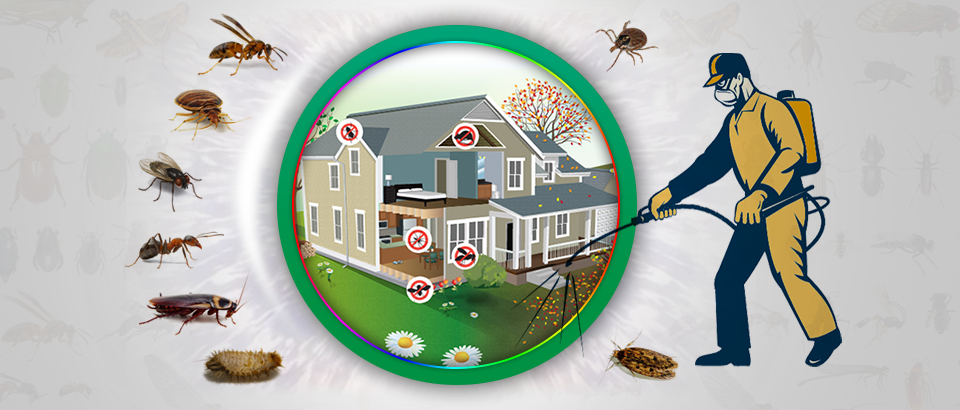
A specialist pest control treatment usually begins with a thorough assessment to recognize pest types, entry locations, and supporting conditions contributing to the trouble. The technician should use time inspecting both internal and external spaces, giving particular consideration to kitchens, restrooms, lower levels, and boundary foundations where pest activity frequently gathers. After this examination, the professional should explain their results in completeness and recommend a service approach designed to your individual situation, talking about both the designated pests and the procedures proposed for managing them. You may obtain preparation guidelines before treatment, probably featuring relocating belongings, removing certain zones, or protecting animals. During the application, the technician will administer appropriate substances to targeted locations depending on the pest kinds found, focusing on openings, spaces, and pest shelter spaces rather than scattering services over full surfaces. They may position monitoring systems like pest traps or bait devices that support follow improvement and provide sustained defense. After finishing applications, a specialist should explain any following-application precautions such as air circulation standards, re-entry intervals, or areas to wash. Before going, they should plan follow-up services if necessary for especially difficult creatures like bedbugs or German roaches that commonly require multiple services for entire destruction. Across this system, professionals should invite concerns and give plain details about the products and procedures applied, showing their preparation and devotion to both efficiency and protection.
Effective pest control is an crucial aspect of keeping safe, harmless dwelling and commercial areas in New Jersey. From the damp summers that bring mosquitoes and parasites to the frigid seasons when mice and rats pursue protection interior, pest problems continue a year-round problem for residents and businesses in Monmouth County and Matawan. By grasping typical creatures, using precautionary procedures, and knowing when to pursue expert support, building holders can safeguard their properties and the wellbeing of tenants.
Using a forward-thinking strategy to pest control is consistently additional effective and economical than reacting to developed invasions. Consistent assessments, proper maintenance, and handling minor troubles before they worsen can stop the major costs and disruptions linked with significant pest issues. When qualified help becomes required, choosing a respected, certified pest control company who applies comprehensive pest management strategies provides efficient outcomes with limited environmental effect.